
Introduction
If you’ve spent any time searching for a solid IPTV service in the United States, you already know how messy the landscape is. Half the providers either disappear within months or deliver an experience that’s more buffering wheel than actual television. The other half overpromise on channel counts that, in practice, are riddled with dead streams.
This guide won’t waste your time with fluff. Whether you’re looking for the best IPTV USA has to offer or just trying to avoid getting burned by another unreliable provider, we’ll break down what separates dependable IPTV services USA from the ones you should avoid and what you should actually look for before handing over a dollar.
👉 Start with a 1-Month Plan Test It Yourself
What Actually Defines the Best IPTV USA Service
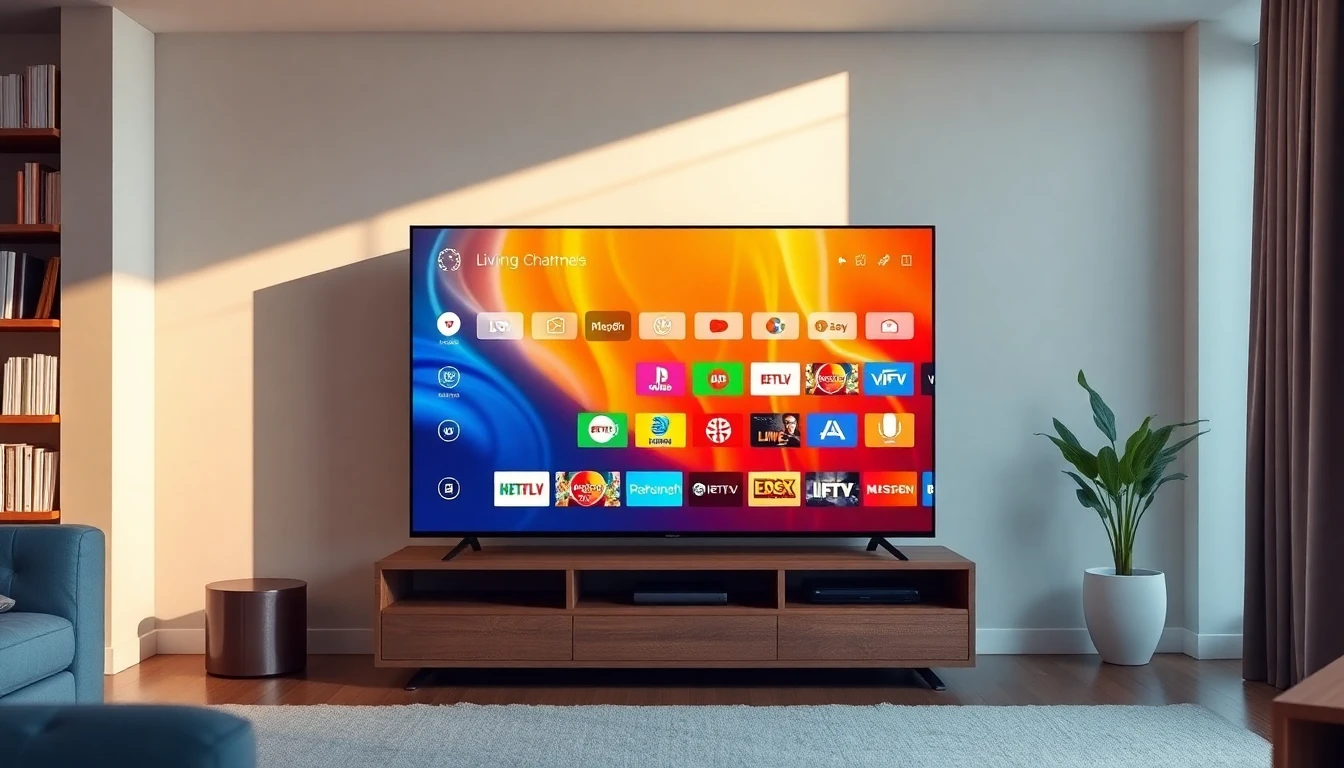
The word “best” gets thrown around carelessly in this niche. In reality, the top IPTV providers in the USA tend to share a specific set of traits and the gap between good and bad usually comes down to these:
Uptime & Stability A service with 99%+ uptime and no constant rebuffering. This is non-negotiable for live sports or news.
US-Focused Content Local network affiliates, regional sports networks, and major US cable channels. Not just filler content padded out to inflate the channel count.
Stream Quality True HD and 4K streams, not a 480p feed mislabeled as “4K.” Always check this during a trial period before committing.
Device Compatibility Works natively or through IPTV apps on your existing devices without complicated workarounds.
Responsive Support When something breaks and it occasionally will you want someone who actually responds within a reasonable timeframe.
What Reliable IPTV Services in the USA Usually Offer
The providers worth considering tend to invest in serious infrastructure. That means distributed server networks across multiple US regions, CDN (content delivery network) integration to reduce latency, and load-balancing technology that handles traffic spikes like when a major NFL game is on and half the subscriber base is watching simultaneously.
Many users report that the difference between a $6/month service and a $15/month service often comes down to this backend investment. Cheaper providers cut corners here, which shows up as stuttering during peak hours.
A genuinely reliable premium IPTV USA service will also maintain active stream backups if one feed drops, a secondary source automatically kicks in. It’s not always seamless, but it keeps the experience from falling apart entirely. Many users find that spending a few extra dollars a month on a more established provider saves a significant amount of frustration over time.
Key Features You Should Expect
Before signing up for anything, run through this checklist mentally:
- Live TV channels including major US networks, news, and entertainment
- Sports coverage NFL, NBA, MLB, NHL, and ideally some regional sports networks
- VOD library a solid on-demand catalog so you’re not locked to live schedules
- Electronic Program Guide (EPG) navigating without a proper guide is genuinely painful
- Multi-connection support at least 2 simultaneous streams for households with more than one viewer
Not every service delivers all of these equally well. The EPG in particular is something that separates polished services from rough ones a broken or outdated guide makes the whole experience feel unfinished. If you’re unsure how to set everything up, an IPTV setup guide can walk you through the process on most devices.
IPTV vs Cable and Streaming Platforms
Here’s an honest side-by-side:
| Category | IPTV | Cable TV | Streaming Platforms |
|---|---|---|---|
| Monthly Cost | ~$10–$20 | $70–$150+ | $8–$30 each |
| Live Sports | Usually included | Included (expensive add-ons) | Limited / extra cost |
| Channel Count | Thousands (quality varies) | Hundreds (curated) | Varies by platform |
| Contract Required | No | Often yes | No |
| Reliability | Depends on provider | Generally high | High |
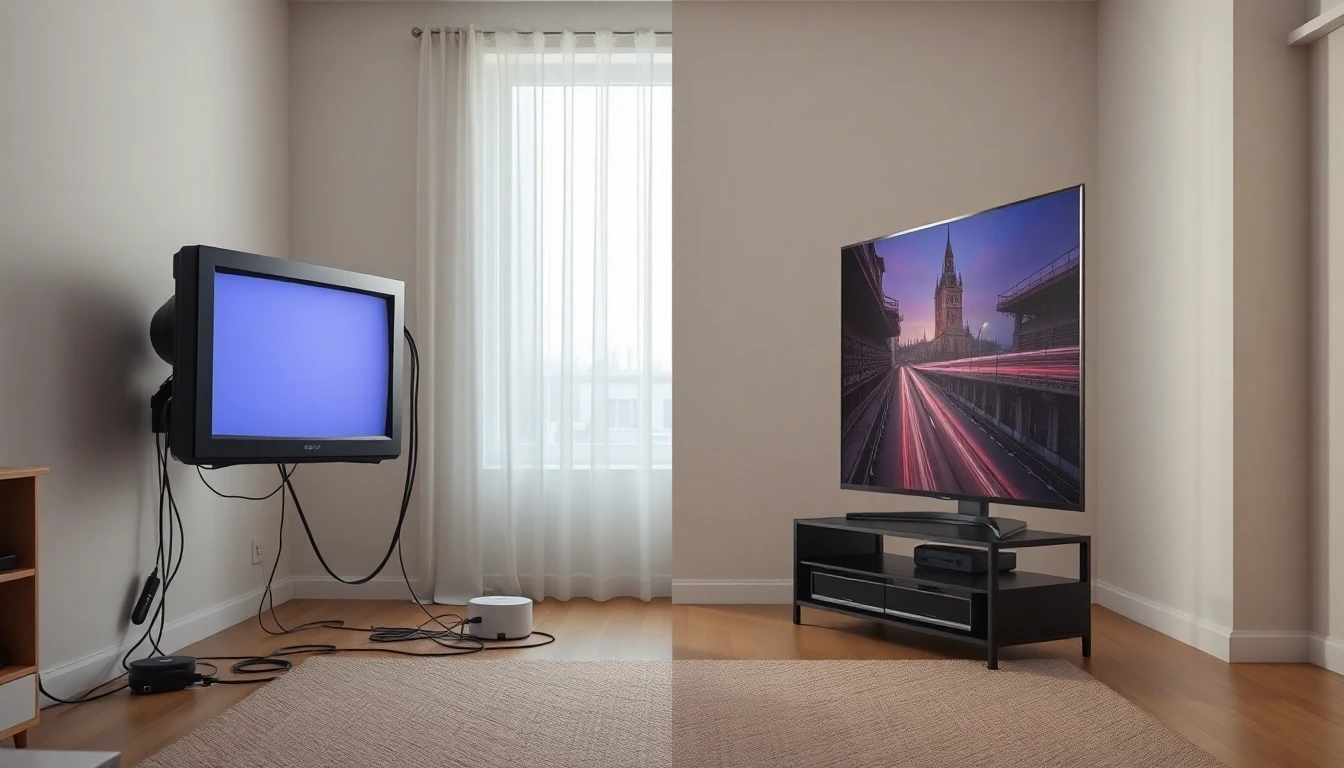
The honest takeaway: IPTV makes sense for someone comfortable with a bit of setup who wants access to live TV and sports without paying cable prices. If you just want Netflix or Disney+, this is a different conversation entirely.
Common IPTV Problems (And How to Avoid Them)
There’s no sugarcoating this IPTV services have real failure points. Knowing them ahead of time helps you make smarter choices.
Buffering during peak hours is the most common complaint. This is almost always a server-side infrastructure issue, not your internet connection. The fix: choose a provider that explicitly offers load-balanced servers and test specifically during evenings and weekends.
Fake 4K is rampant. Some providers label streams as “4K” when they’re actually upscaled 1080p or lower. During any trial period, test a claimed 4K channel on a display that can actually show true 4K and compare to what you know. For a deeper look at what to expect, check out resources on IPTV 4K streaming before making a decision.
Server downtime, especially during major sporting events, is a real risk with budget providers. Reliable services build redundancy into their architecture. If a provider can’t explain how they handle this, that tells you something.
Poor or nonexistent support is a red flag. In most cases, a live chat option even if it’s slow is a positive sign. Providers with only a ticket system and response times measured in days are worth avoiding.
👉 Start with a 1-Month Plan Test It Yourself
How to Choose the Right IPTV Provider in the USA
Here’s a simple framework that applies regardless of which service you’re evaluating:
- Always start with a trial. A reputable provider will offer at least a 24–48 hour trial or a one-month plan. Avoid committing to a 12-month package upfront.
- Test your internet speed first. For HD streaming, you want at least 25 Mbps consistently. For 4K, aim for 50 Mbps or above. Run a speed test at peak hours, not just during the day.
- Be skeptical of suspiciously low prices. A $4/month service with “10,000 channels and 4K everything” is almost always a disappointment. The economics don’t work out.
- Verify device compatibility before subscribing. Ask specifically whether they support your device Firestick, Smart TV, Apple TV, etc. and what app or method they recommend.
- Check community forums. Reddit threads and IPTV-specific forums often have candid, unsponsored user experiences. These are worth reading before committing.
In most cases, a provider that ticks the majority of these boxes will deliver a noticeably better experience than one that doesn’t even if the price difference seems small.
Internet Requirements for IPTV USA
Your internet connection matters just as much as the provider you choose. For standard HD streams, a stable connection of 15–25 Mbps is generally enough. If you’re aiming for genuine 4K content, you’ll want at least 40–50 Mbps more if several devices are running simultaneously. A wired ethernet connection will always outperform Wi-Fi for live TV, especially during high-traffic events. When in doubt, run a speed test at peak hours before blaming the service.
Devices That Work Best with IPTV USA
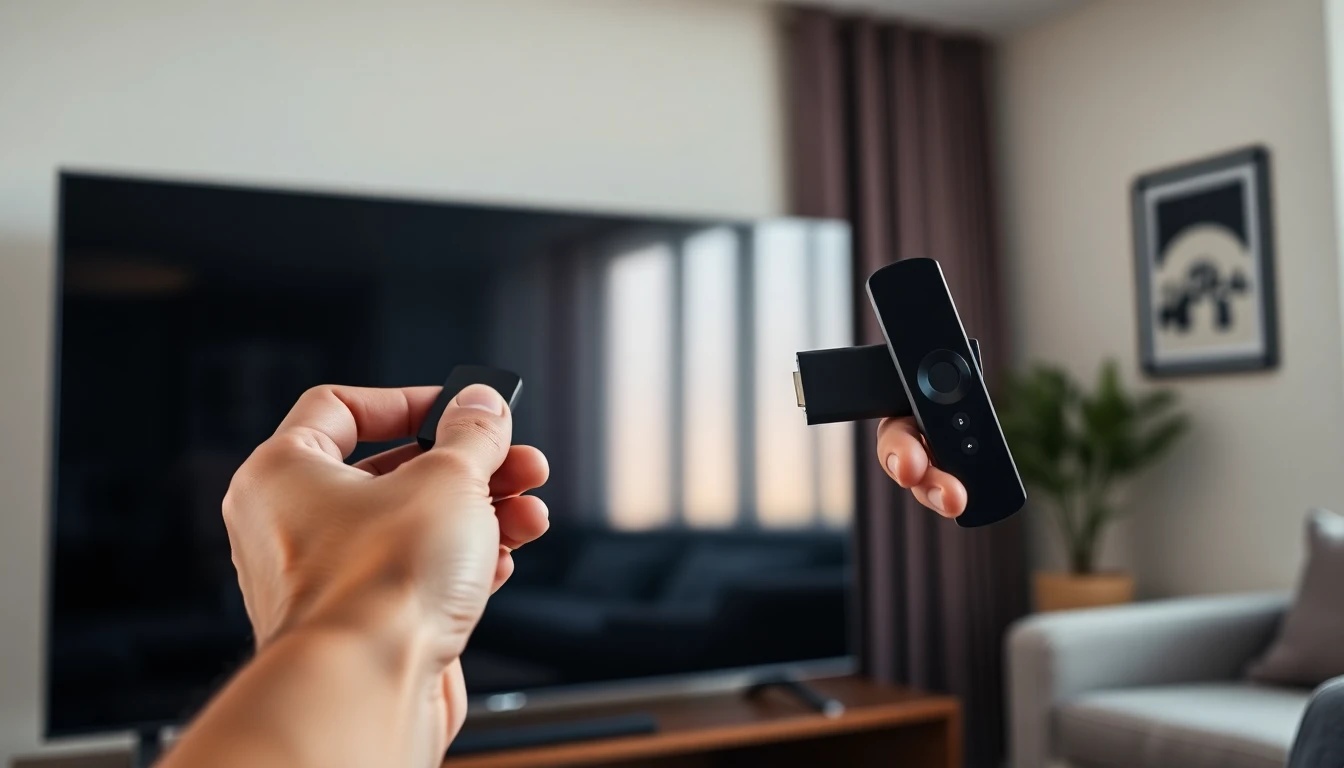
The good news is that most modern devices handle IPTV just fine through dedicated apps. Here’s what tends to work well:
- Amazon Firestick the most popular choice among US users; works with apps like TiviMate and IPTV Smarters
- Android Smart TVs can run IPTV apps directly without workarounds
- Android phones and tablets solid experience with most major IPTV apps
- iPhone / iPad works, though with slightly more friction depending on the app
- Windows PC / Mac browser-based players or desktop apps handle most setups well
- MAG Box / NVIDIA Shield popular among more experienced IPTV users
- Apple TV compatible with select IPTV apps
The Firestick remains the go-to for most US subscribers it’s cheap, widely available, and the app ecosystem around it is mature. Android-based Smart TVs are a close second. A reliable IPTV USA provider usually has clear setup instructions for each of these devices if they don’t, that’s worth noting. For a more detailed breakdown, an IPTV apps comparison can help you pick the right player for your setup.
FAQ
What is the best IPTV USA service in 2026? There’s no single universal answer the “best” depends on your content priorities, device, and budget. Generally, the most reliable services offer stable infrastructure, solid US channel coverage, genuine HD or 4K streams, and responsive support. Always trial before committing.
What internet speed do I need for IPTV? For standard HD streaming, 15–25 Mbps is typically sufficient. For true 4K content, 40–50 Mbps or more is recommended especially if other devices are also using the connection simultaneously.
Can I use IPTV on multiple devices at once? In most cases, yes but it depends on the number of connections your subscription includes. Many providers offer single, dual, or multi-connection plans. Households with multiple viewers should opt for at least a 2-connection plan.
Does IPTV support true 4K streaming? Some services do offer genuine 4K content, but many label streams as 4K when they’re not. During a trial, test a 4K channel on a capable display and confirm your internet connection meets the bandwidth requirement before assuming the service is at fault.
What happens if a stream goes down during a live event? Depends entirely on the provider. Better services maintain backup streams and failover automatically within seconds. Budget providers often don’t, leaving you stuck refreshing manually. This is one of the clearest differentiators between reliable and unreliable services.
Conclusion
Finding a dependable IPTV service in the USA in 2026 is genuinely possible but it does require a bit of patience and skepticism upfront. The market is noisy, with plenty of unreliable options competing for attention alongside a smaller group of providers that actually deliver what they promise.
The smartest approach is straightforward: start with a short-term trial, test the channels and quality you actually care about during peak hours, verify device compatibility, and only then consider a longer commitment. Avoid being swayed by enormous channel lists or headline prices the backend infrastructure and support quality matter far more in practice.
Take your time, test properly, and you’ll land on a service that makes cable feel like an overpriced relic.