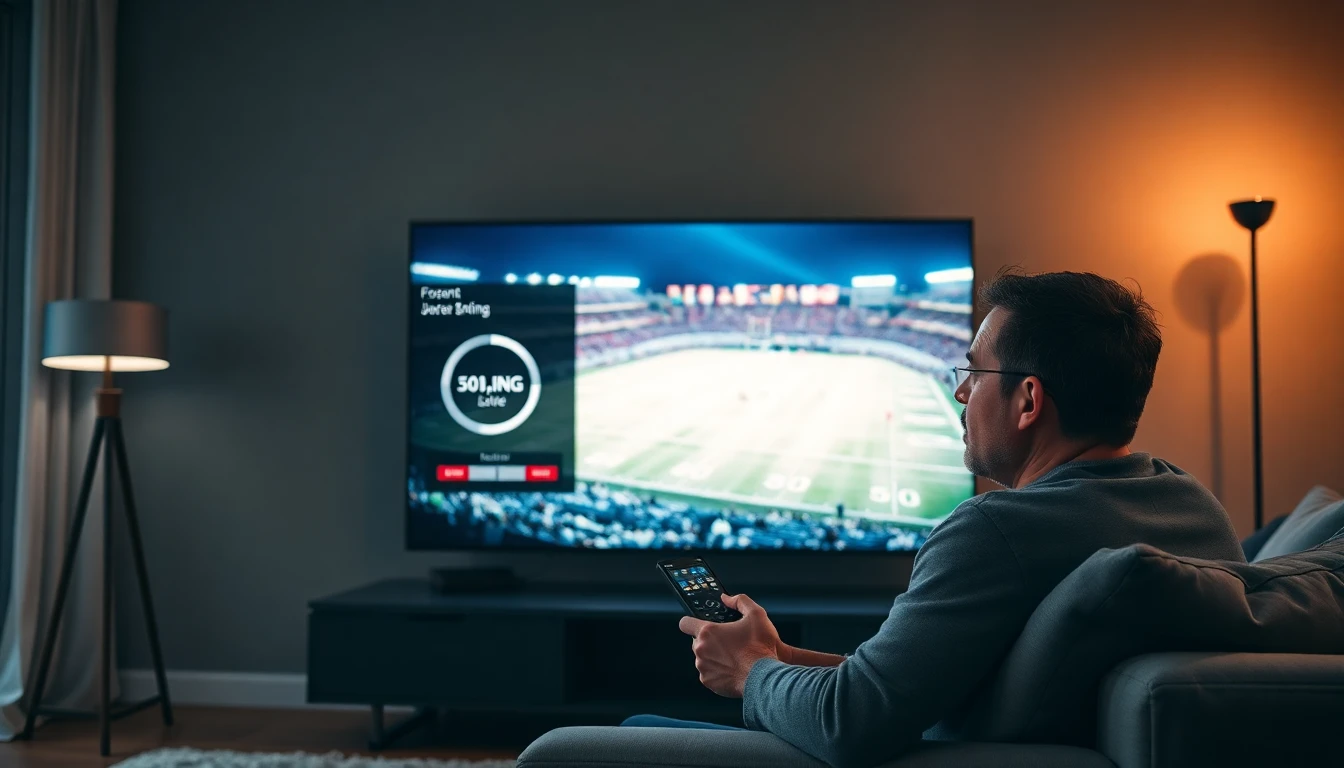
You’re 20 minutes into the match. Your team just got a penalty kick. The screen freezes. Buffering. Buffering. Gone.
If you’ve been through that, you already know the real problem with choosing a bad IPTV service. It’s not just the money it’s the timing. It always seems to fail at exactly the wrong moment.
I’ve tested a lot of IPTV providers over the years. Some were genuinely solid. Others looked great during the free trial and collapsed the moment 50,000 people tuned in to watch the same Champions League match. This article is about helping you avoid that second scenario and finding an IPTV with subscription that actually holds up when it counts.
👉 Looking for a stable IPTV subscription that works well with Firestick, Smart TVs, and IPTV Smarters Pro?
Start with a short-term plan first:
1 Month – Best for testing
3 Months – Better value
6 Months – Most popular option
12 Months – Lowest monthly cost
Quick Answer: What Is IPTV With Subscription?
Unlike a free M3U playlist you grab from a random Reddit thread, IPTV with subscription means you’re paying for access to a dedicated server infrastructure. Your provider hosts the channels, manages the streams, and gives you login credentials typically a username and password, or an activation code that you enter into an app like IPTV Smarters Pro or TiviMate.
For example, services like One IPTV subscription are built around this model, where the provider maintains the servers and ensures continuous streaming instead of relying on unstable public playlists.
The subscription is what separates a reliable, maintained service from a sketchy free list that goes dead in a week. It’s also what gives you access to things like EPG (electronic program guide), VOD libraries, and multiscreen connections.
How IPTV Subscriptions Actually Work
Here’s something most beginner guides skip over: when you buy an IPTV subscription, you’re not downloading channels. You’re streaming them live from a server, the same way Netflix works except your provider is delivering linear TV instead of on-demand content.
Your provider will give you one of three things: an M3U playlist URL (a link you paste into compatible apps), Xtream Codes credentials (a portal URL, username, and password that apps like IPTV Smarters Pro, Xtream IPTV Player, or TiviMate use to pull channel lists automatically), or a custom app (some providers have their own branded app, though these tend to be less flexible).
The Xtream Codes method is by far the most common for paid subscriptions. It’s cleaner, auto-refreshes your channel list, and supports EPG natively. The M3U playlist route still works fine, especially if you prefer apps that don’t support Xtream login but you may need to manually refresh the list if channels change.
What most people don’t realize is that the server location and capacity matter more than the channel count. A provider advertising 20,000 channels means nothing if their servers can’t handle peak traffic. That 20,000 number is usually inflated anyway duplicated streams, dead links, and regional variants of the same channel.
What Makes a Good IPTV Provider
This is where it gets important, so let’s be specific.
Server uptime and redundancy. You want a provider with multiple server locations not just one data center in one country. If that single server goes down, so does your service. In my experience, providers that offer automatic failover (switching to a backup server without you doing anything) handle peak hours far better.
Stream quality options. A decent provider gives you FHD (1080p), HD (720p), and SD options for the same channel. This matters when your connection isn’t perfect. If the provider only offers one quality level, buffering becomes your problem, not theirs.
Anti-freeze and catch-up features. Some services include a buffer or catch-up window letting you rewind live TV by a few hours. It’s genuinely useful, not just a selling point.
Responsive support. One of the clearest signs of a reliable IPTV service is how fast they respond when something breaks. A 48-hour response time during a blackout is not acceptable. Look for providers with live chat or ticket systems that actually get answered within a few hours.
Best Devices for IPTV Streaming
You can run IPTV on just about anything but some devices are noticeably better than others.
Amazon Firestick 4K offers good performance, easy setup, and works with IPTV Smarters and TiviMate a solid choice for most users. Android TV Boxes support all apps and deliver excellent performance, though setup takes a bit more effort; these suit power users well. Smart TVs (Samsung/LG) are convenient but app compatibility is limited and performance varies better for casual viewers. iPhone and iPad work well with IPTV Smarters and GSE Smart IPTV, making them ideal for streaming on the go. PC and Mac offer the most flexibility through VLC, Kodi, or a browser. The Nvidia Shield delivers the best overall performance of any device and handles everything thrown at it.
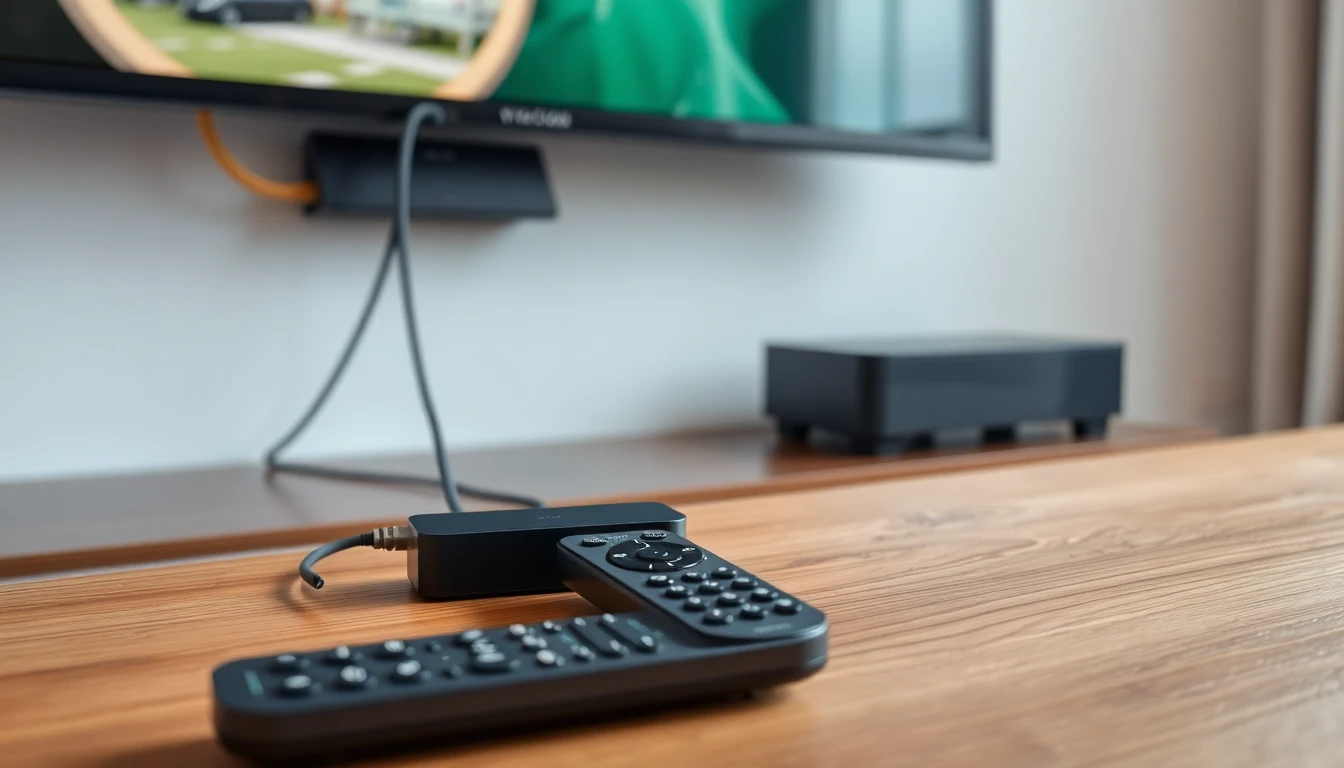
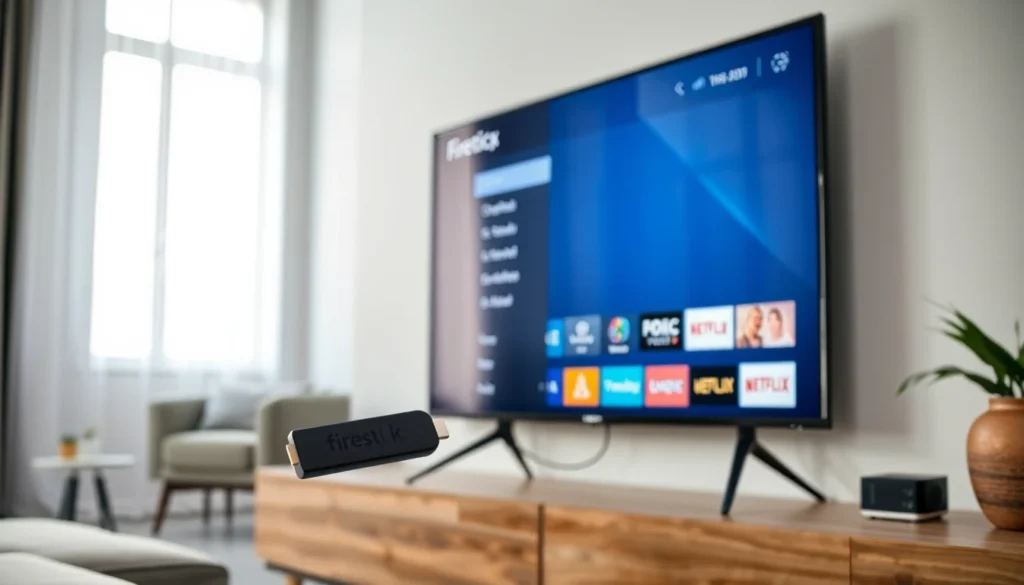
IPTV for Firestick is probably the most searched setup combination and for good reason. The Firestick is affordable, portable, and works well with IPTV Smarters Pro and TiviMate after a quick sideload from the Downloader app. Setup takes about 10 minutes once you have your subscription credentials.
Smart TVs are convenient but often limited to apps available in their native store. Samsung Tizen and LG WebOS have their quirks you may end up using a browser-based player or connecting a Firestick anyway.
Common IPTV Problems and Realistic Fixes
Let’s be honest about what actually goes wrong.
IPTV buffering is the complaint I hear most often. The cause is almost never what people assume. Most users blame their internet speed but a 30 Mbps connection is more than enough for HD IPTV. The real culprits are: the provider’s server being overloaded during peak hour traffic; inconsistent Wi-Fi signal (use an ethernet cable if possible); the app’s buffer settings being too low (TiviMate lets you increase this manually); or a VPN slowing things down (try disabling it for IPTV).
Channels not loading is different from buffering. If a channel just won’t start, check whether it’s a server-side issue first. Try a different server from your provider’s list most offer multiple stream options per channel or check their status page or Telegram group.
EPG not showing is usually a timezone mismatch or a guide URL that needs updating. Go into your app settings and force a refresh.
App crashes IPTV Smarters Pro in particular has had stability issues on older Firestick models. TiviMate is generally more reliable on Android-based devices if you’re running into this.
Warning: A cheap IPTV provider can look perfectly good for 24 hours and completely fall apart during peak hours weekends, big football matches, holidays. Always test your provider on a busy night before committing to a long-term subscription. If they don’t offer a short trial, that itself is a warning sign.
How to Choose the Right IPTV Subscription Plan
IPTV subscription plans usually come in 1-month, 3-month, 6-month, and 12-month tiers. The longer the plan, the cheaper the monthly rate typically anywhere from £5–£15/month depending on the provider and region.
Here’s what to actually evaluate before buying:
Does the provider offer a trial, even 24–48 hours? Can you test during a live sports event, not just off-peak? Do they support the device you plan to use? Is Xtream Codes or M3U access included? Do they have an EPG and program guide? How many simultaneous connections does the plan include? Is there a refund policy or at least a clear support channel? And have you checked independent reviews on Reddit or Trustpilot not just their own website?
👉 Before you buy IPTV subscription, always make sure to test the service properly during peak hours to avoid buffering issues later.
For IPTV UK users, look specifically for providers with UK-based servers or CDN nodes. This reduces latency and improves stream stability for channels like Sky Sports, BT Sport, and BBC iPlayer-style content.
For IPTV USA users, the key is coverage of regional sports networks and whether the provider handles blackout restrictions many don’t, and that’s something they often don’t advertise clearly.
If you mainly want IPTV sports, pay specific attention to whether the provider carries your sports tier in HD. Some services quietly drop to SD during peak sports hours. Test this explicitly before committing.
Mistakes People Make When Buying IPTV
One mistake I see constantly: people buy a 12-month plan from a provider they’ve never tested. Then the service is mediocre, support is unresponsive, and the money’s gone. Always start short.
Another one: comparing providers purely on channel count. “50,000 channels” is a marketing number. What matters is how many of those channels actually work reliably at the quality you need. Ten channels that work flawlessly beat a thousand that buffer.
Ignoring the connection type is another classic error. Some apps default to Wi-Fi even when ethernet is available. Go into your device network settings and confirm the active connection. Wired is always more stable for IPTV streaming.
And finally trusting resellers blindly. A lot of IPTV resellers are selling access to the same underlying service. That’s not always bad, but it means your support is going through a middleman. If the root provider has problems, your reseller can’t fix them. When possible, buy directly from the primary provider.
Frequently Asked Questions
What’s the difference between IPTV Smarters Pro and TiviMate? Both support Xtream Codes and M3U playlists. IPTV Smarters Pro is free and widely compatible. TiviMate is Android-only, requires a one-time purchase for full features, but offers a noticeably cleaner interface and better stability especially on Firestick and Android boxes.
How much internet speed do I need for IPTV? Generally, 10 Mbps is enough for a single HD stream. If you’re running multiple connections or want 4K content, 25–50 Mbps is more comfortable. The consistency of your connection matters more than raw speed.
Can I use IPTV on multiple devices at once? Most subscription plans specify the number of simultaneous connections typically 1 to 4. Trying to exceed this usually results in one of the streams being cut off automatically.
What is an M3U playlist in IPTV? An M3U playlist is a text file containing stream URLs for each channel. You import the URL into a compatible player and it loads all the channels. It’s the most universally compatible format, but Xtream Codes credentials are easier to manage for paid subscriptions.
Why do my IPTV channels keep freezing at night? Peak usage hours evenings, weekends, major sports events put the most stress on provider servers. If freezing happens specifically at these times, it’s almost certainly a server-side capacity issue, not your internet. Consider switching to a provider with better infrastructure.
Conclusion: Test First, Commit Later
Finding a solid IPTV with subscription isn’t complicated but it does require a bit of patience and healthy skepticism toward providers making grand promises.
The honest advice: start with a short trial. Test it on a Friday night during a live match. Check your favourite channels. Try switching devices. See how the app behaves. Only then decide whether to go long-term.
The IPTV streaming space has genuinely good options providers with stable servers, clean EPG data, responsive support, and real HD quality. They exist. But they don’t advertise the loudest, and they don’t promise things they can’t deliver.
Be skeptical of anyone promising 100% uptime. Be wary of suspiciously low prices with no trial option. And trust your own testing over any review including this one.
When you find a provider that stays stable during the moments that matter, stick with them. That reliability is worth far more than an extra ten thousand channels you’ll never watch.